Collection: Gibraltar
Following its capture by Anglo-Dutch forces in 1704 and its permanent cession to Great Britain in the 1713 Treaty of Utrecht, Gibraltar became a vital British military stronghold and crown colony.
Throughout the eighteenth and nineteenth centuries, this unique garrison environment supported a small, highly specialised community of local silversmiths. Because Gibraltar lacked an official assay office, these craftsmen did not stamp traditional British hallmarks; instead, notable makers like Henry Cowper in the late 1700s and John and Charles Catton in the early 1800s struck their own maker's marks most commonly alongside a distinct locally used "key" symbol. They catered to British naval officers, merchants, and the local elite until mid-19th century industrialisation and cheap British imports largely brought an end to local production.
-
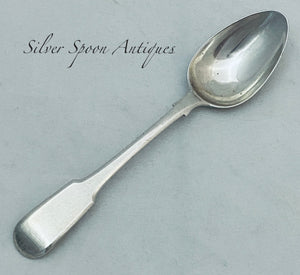
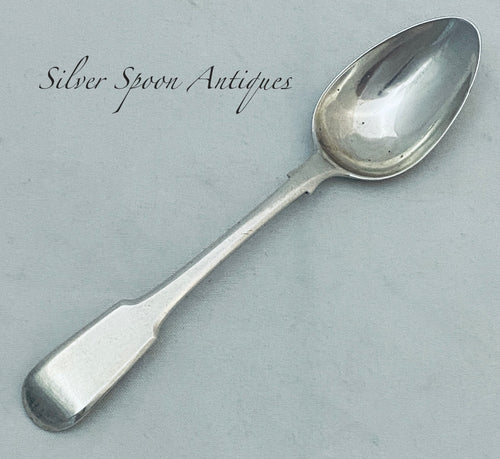
British Colonial Fiddle Pattern Teaspoon, Charles Catton, Gibraltar, c.1830-45
- Regular price
- $265.00
- Sale price
- $265.00
-
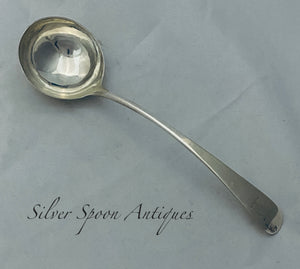
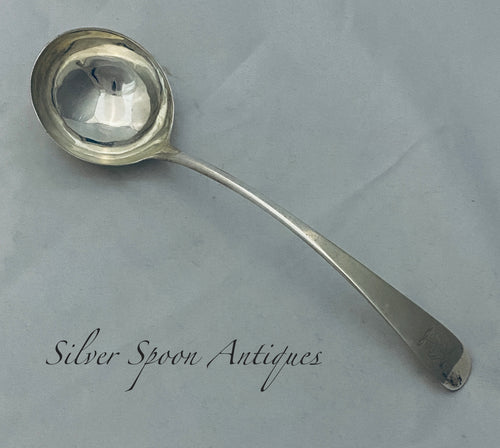
English Colonial OE Pattern Ladle, Henry Cowper, Gibraltar, 1790-1800
- Regular price
- $625.00
- Sale price
- $625.00


